
Manchester Pharmacy Blog​

Practical tips, medicine guides and updates from our pharmacists, written to help you look after your health.

FEATURED ARTICLE

Seasonal Health

If you take regular medicine, an NHS repeat prescription lets you request approved items without booking a GP appointment each time. You can ask for the medicine, wait for GP approval, and then collect it from your nominated pharmacy or use delivery where your pharmacy offers it. Costs may also be easier to manage if you understand exemptions and the prescription prepayment certificate options in England.

How does an NHS repeat prescription work?

An NHS repeat prescription is used when a clinician has agreed that you can keep taking a medicine for an ongoing condition. You can then order it again when you are running low. The NHS advises requesting your prescription up to 5 working days before you need the medicine, because your GP surgery must approve the request before the pharmacy can prepare it. (nhs.uk)

Not every medicine can be reordered automatically. Some items may need a review, may be too early to request, or may be controlled medicines that cannot be requested through the NHS App. If something is missing from your repeat prescription online list, contact your GP surgery rather than assuming it has been stopped. (nhs.uk)

The usual ordering routes

Most people can order repeat prescription items in more than one way, although each GP practice may have its own preferred system. NHS repeat prescription ordering is often easiest online, because you can choose the medicines you need, check past requests, and manage your chosen pharmacy without waiting on the phone.

Common routes include:

  • NHS App or NHS website: You can order prescription online by signing in, selecting the Prescriptions tab, and choosing Request a repeat prescription. Your prescription request then goes to your GP surgery for approval. (nhs.uk)
  • Other GP online services: Some surgeries use approved online systems alongside the NHS App. Ask your practice which service they use.
  • Pharmacy arrangements: If your GP has set up repeat dispensing, you may be able to ask your pharmacy directly for the next issue instead of sending a new request each time. (nhs.uk)
  • Contacting your GP surgery: If online access is not suitable, ask the surgery how they accept repeat prescription requests.

For many patients, repeat prescription online works best when the nominated pharmacy is kept up to date. You can choose a high-street pharmacy to collect from, and some pharmacies may offer delivery, but availability depends on the pharmacy. (nhs.uk)

A man and a woman looking at items in a store

A practical checklist before you order

Before you order repeat prescription items, take a minute to check the details. This helps avoid delays, rejected requests, duplicate medicines, or unnecessary extra charges.

  • Check how many days’ supply you have left, and request in good time.
  • Order only the medicines you currently need.
  • Read any notes in the NHS App or GP online service, especially if a review is due.
  • Confirm your nominated pharmacy is correct.
  • If you are going away, ask your GP surgery what they can issue in advance rather than assuming an NHS 3 month prescription will be available.
  • If you pay for prescriptions, consider whether a pre paid prescription option could reduce your costs.
  • If you need medicine urgently, contact your GP surgery; outside normal hours, NHS guidance points patients to NHS 111 online or by phone. (nhs.uk)

This small routine can make the difference between a smooth monthly prescription and a stressful last-minute chase.

Can a prescription prepayment certificate save money?

A prescription prepayment certificate, often called a PPC, can save money if you pay for NHS prescription items in England and need several items over a short period. A standard PPC covers all your NHS prescriptions during the certificate period, no matter how many you need. (gov.uk)

Current NHS prescription prepayment options include a 3-month PPC and a 12-month PPC. GOV.UK lists the standard prescription charge in England as £9.90 per item, with PPC costs of £32.05 for 3 months and £114.50 for 12 months. It says a PPC may be cheaper if you will buy 4 or more prescription items in 3 months, or 12 or more in 12 months. (gov.uk)

You may also hear different names for the same idea, such as pre paid prescription, prepaid prescription certificate, pre paid prescription certificate, prescription prepayment, prepayment prescription, prepaid prescription card, prepaid prescription, NHS prescription certificate, NHS prescription card, pre paid NHS prescriptions, pre prescription payment, or pre pay prescription. In everyday use, these terms usually mean the official NHS prescription prepayment certificate.

Paying monthly and yearly options

If a single upfront payment is awkward, the 12-month certificate can be paid in 10 monthly instalments. That is why many people search for monthly prescription payment, pay for prescriptions monthly, or monthly prescription help. (gov.uk)

The 12-month PPC is also what people often mean by annual prescription NHS, annual prescription, yearly prescription, or NHS yearly prescription. It is not a card in the old-fashioned sense for everyone, but it acts as proof that covered NHS prescription charges have been prepaid for the valid period. If you already have one, make a note to renew NHS prescription prepayment certificate before it expires so there is no gap in cover.

There is also a separate HRT PPC for eligible hormone replacement therapy medicines. GOV.UK lists the HRT PPC as covering eligible HRT prescriptions for 12 months. If you also need other non-HRT prescription items, a standard 3-month or 12-month PPC may be more suitable. (gov.uk)

When to contact your GP or pharmacist

Ordering online is useful, but it does not replace clinical advice. Speak to your pharmacist if you have questions about how to take a medicine, side effects, or interactions with over-the-counter products. Contact your GP surgery if the medicine you need is not shown, your request is rejected, a review is due, or your condition has changed.

You should also ask for advice before stockpiling medicine, changing your dose, or stopping treatment. A repeat prescription exists because the medicine has previously been assessed as suitable, but ongoing checks are part of safe prescribing.

Key takeaways

The repeat prescription process is designed to make regular medicines easier to manage while still keeping GP oversight in place. Order early, use the NHS App or your surgery’s approved system where possible, and keep your pharmacy details current. If you pay for each NHS prescription in England, check whether a prescription prepayment certificate would be cheaper, especially if you regularly collect several items.

Understanding how to get a repeat prescription, how to submit a prescription request, and when to use a PPC can save time, reduce stress, and make ongoing treatment feel much more manageable.

Q&A

Question: How early should I request an NHS repeat prescription?

Short answer: The NHS advises requesting your repeat prescription up to 5 working days before you need the medicine. This gives your GP surgery time to approve the request and allows the pharmacy to prepare it, helping you avoid running out.

Question: What should I do if one of my medicines is missing from my online repeat prescription list?

Short answer: Contact your GP surgery rather than assuming the medicine has been stopped. Some medicines may be missing because a review is due, the request is too early, or the item cannot be requested through the NHS App.

Question: Can I always get several months of medicine before travelling?

Short answer: Not necessarily. If you are going away, ask your GP surgery what they can issue in advance. The text notes that you should not assume an NHS 3 month prescription will be available, because decisions depend on clinical and practice guidance.

Question: When is a prescription prepayment certificate likely to be worth it?

Short answer: A PPC may be cheaper if you pay for NHS prescriptions in England and expect to need multiple items. Based on the GOV.UK figures in the text, it may save money if you will buy 4 or more prescription items in 3 months, or 12 or more in 12 months.

Question: Who should I contact if I have questions about side effects or how to take my medicine?

Short answer: Speak to your pharmacist for advice about how to take a medicine, side effects, or possible interactions with over-the-counter products. Contact your GP surgery if your medicine is not shown, your request is rejected, a review is due, or your condition has changed.

Read Article
LATEST ARTICLES

Health advice,
made simple.

Explore expert advice, practical tips, and helpful insights to make better choices for your health.

Health Risks During UK Heatwaves Explained

Health Risks During UK Heatwaves Explained

Summer in the British Isles is traditionally celebrated, but a sudden heat wave can quickly turn our homes and streets into uncomfortable, potentially dangerous environments. Welcome to “Health Risks During UK Heatwaves Explained”, your definitive guide to staying safe when the mercury rises.

With climate change making extremely hot weather much more frequent, a typical heat wave in britain is no longer just an excuse to spark up the barbecue—it is a serious public health issue. Whether we are dealing with unexpected uk june heat or a stifling August weekend, understanding how to navigate a uk heatwave is essential for keeping yourself and your loved ones safe.

Here is everything you need to know about protecting your health when the temperatures soar.

Understanding the Warnings

Before examining the physical impacts, it is vital to understand the official guidance. Having the UK Met Office heat-health alert levels explained makes it significantly easier to prepare. These alerts range from Green (standard summer preparedness) up to Red, which indicates a national emergency.

When a uk heatwave temperature warning is issued, it means the impending uk extreme heat weather poses a significant threat to health, transport, and infrastructure. During a united kingdom heat wave, these alerts help the public and healthcare providers brace for the severe impact of uk heatwave high temperatures. Whether you are tracking official forecasts or hurriedly typing “heetwave uk” into your search engine for a quick local update, staying informed is your very first line of defence against a dangerous weather heat wave.

The Physical Toll of a British Heatwave

How exactly does hot weather uk affect our bodies? A major environmental factor is the impact of high humidity on body temperature regulation. When the air is thick and humid, our sweat cannot evaporate efficiently from the skin, leaving us unable to cool down naturally. This places a massive, often unrecognised strain on the body.

Furthermore, the effects of prolonged heat on cardiovascular health are highly significant. Your heart has to work considerably harder to pump blood to the surface of the skin to dissipate heat. If you take regular prescriptions, you must also be mindful of medications that increase risk of heat sensitivity. Common drugs such as diuretics, antihistamines, and beta-blockers can interfere with your body’s hydration levels or sweating mechanisms, making you much more vulnerable to the intense uk heat.

Recognising Heat-Related Illnesses

During a severe heatwave britain, the ability to identify heat sickness is crucial. The most important distinction to learn is the symptoms of heat exhaustion vs heatstroke.

  • Heat Exhaustion: This is your body crying out for a break. Symptoms include heavy sweating, a rapid but weak pulse, dizziness, nausea, and muscle cramps. Moving to a cool place, lying down, and drinking plenty of water usually resolves it within 30 minutes.
  • Heatstroke: This is a life-threatening medical emergency. The NHS symptoms of heatstroke in adults include a very high body temperature, mental confusion, slurred speech, loss of consciousness, and crucially, a lack of sweating despite the heat.

Knowing exactly when to seek medical help for heat sickness can save a life; if you suspect heatstroke, dial 999 immediately.

Protecting the Vulnerable

Vulnerable groups need particular attention during a heat wave uk. Watch closely for signs of sunstroke in children and babies, which can manifest as extreme lethargy, intense thirst, fewer wet nappies, and unusually hot, dry skin.

Preventing dehydration in elderly during extreme heat is equally vital, as our natural sensation of thirst naturally diminishes as we age. Encourage older relatives and neighbours to drink small sips of water constantly throughout the day, even if they claim they aren’t thirsty.

On a milder but highly irritating note, a common annoyance of british hot weather is sweat rash. Knowing how to treat prickly heat rash at home—by taking cool showers, applying soothing calamine lotion, and wearing loose, breathable cotton clothing—will help keep you comfortable.

Cooling Strategies for Your Home

Most British homes are built with insulation designed to retain winter warmth, making an indoor weather heatwave incredibly uncomfortable. Excellent uk households heatwave advice focuses heavily on keeping the heat out during the day. Closing your curtains or drawing the blinds when the sun is beaming through the glass is one of the best ways to stay cool without air conditioning.

At night, figuring out how to cool down a bedroom in a UK heatwave can feel like an impossible task. Creating a cross-breeze by opening opposite windows once the evening temperature drops is highly effective. Many people rely on electric fans, but you should be aware of the dangers of sleeping with a fan on all night. A constant, direct blast of air can dry out your nasal passages, trigger asthma or allergies by circulating room dust, and cause stiff neck muscles from the continuous chill. Instead, try pointing the fan away from your bed to circulate the air, or place a bowl of ice in front of a rotating fan to distribute a cool mist temporarily before you fall asleep.

Water Warnings, Cold Water Shock, and Pet Safety

A severe uk extreme heatwave brings secondary risks beyond the immediate sun exposure. Local water authorities may issue a uk water warning heatwave, asking residents to minimise hosepipe use and conserve tap water to protect dropping reservoir levels.

Ironically, while we are urged to save tap water, natural bodies of open water pose their own fatal threat. Many people seek relief from a sweltering heatwave england by jumping into local rivers, deep lakes, or flooded quarries. However, the risks of cold water shock during hot weather are incredibly severe. Even when the air is scorching, British waters remain dangerously cold just below the surface. Sudden immersion causes involuntary gasping, rapid breathing, and a spike in heart rate, which can quickly lead to drowning, even for the strongest of swimmers.

Finally, we must not forget our furry companions. Keeping pets safe during extreme UK temperatures is a paramount responsibility. Walk dogs early in the morning or late in the evening to protect their sensitive paws from blistering tarmac, ensure they have constant access to shaded areas and fresh water, and never, ever leave them in a parked car during a uk weather heatwave.

Conclusion

While we all enjoy the sight of clear skies after months of grey, underestimating extremely hot weather can lead to severe health consequences. From understanding the vital difference between heat exhaustion and heatstroke, to safely cooling our insulated homes, navigating a uk heatwave requires a healthy dose of common sense and preparation. By following this guidance, looking out for vulnerable neighbours, and respecting the sheer power of a weather heatwave, you can safely enjoy the British summer without compromising your health.

Q&A

Question: What do the UK Met Office heat-health alert levels mean, and why should I pay attention?

Short answer: The alerts run from Green (normal summer readiness) up to Red (a national emergency). When a heat-health warning is issued, it signals that upcoming extreme heat could seriously affect health, transport, and infrastructure. Treat alerts as a prompt to stay informed, prepare your home to keep heat out, adjust plans to avoid peak heat, and check in on vulnerable people so you’re ready before conditions become dangerous.

Question: Why does high humidity make hot weather feel so oppressive, and how does heat strain the heart?

Short answer: Humidity slows sweat evaporation, which is your body’s main cooling mechanism. When sweat can’t evaporate efficiently, your core temperature rises. To shed heat, your heart must pump more blood to the skin’s surface, increasing cardiovascular workload. Prolonged heat therefore puts significant, often underestimated strain on the body—especially for people with existing heart conditions.

Question: How can I tell the difference between heat exhaustion and heatstroke, and what should I do?

Short answer: Heat exhaustion features heavy sweating, a rapid but weak pulse, dizziness, nausea, and muscle cramps. Move to a cool place, lie down, and drink water; symptoms usually improve within about 30 minutes. Heatstroke is a medical emergency marked by very high body temperature, confusion, slurred speech, loss of consciousness, and notably, little or no sweating. If you suspect heatstroke, call 999 immediately.

Question: What are effective ways to keep my home and bedroom cool without air conditioning, and are fans safe overnight?

Short answer: Keep heat out during the day by closing curtains or blinds when the sun is on the windows. Ventilate at night by opening opposite windows to create a cross-breeze once outdoor temperatures drop. Fans help, but avoid a constant, direct stream on you all night: it can dry nasal passages, stir up dust that triggers allergies or asthma, and cause a stiff neck. Instead, aim the fan away to circulate air, or use a bowl of ice in front of a rotating fan to create a temporary cool mist as you settle to sleep.

Question: Is it safe to cool off in rivers, lakes, or quarries during a UK heatwave?

Short answer: It’s risky. Even in scorching weather, British open water often remains very cold below the surface. Sudden immersion can trigger cold water shock—an involuntary gasp, rapid breathing, and a spike in heart rate—which can quickly lead to drowning, even for strong swimmers. Avoid jumping into unfamiliar or deep open water; seek safer, controlled ways to cool down instead.

Read article
Low calorie high protein meals


If you want to shed fat, build strength, or simply eat a more balanced diet, prioritising low calorie high protein meals is a complete game-changer. Far too often, traditional diets leave people feeling starved and miserable. However, you do not have to choose between reaching your fitness goals and enjoying delicious, satisfying food.

By focusing on healthy high protein meals, you can effortlessly achieve muscle mass preservation during dieting while keeping nagging hunger pangs at bay. In fact, understanding how protein suppresses appetite hormones like ghrelin reveals exactly why protein meals are the ultimate secret to long-lasting fullness and sustainable weight loss, especially when you rely on high protein low calorie recipes that fit your routine.

The Science Behind Protein and Weight Loss

Before diving into a structured high protein food plan , it is incredibly helpful to understand the underlying mechanics of your metabolism. First, let’s look at the crucial role of protein in metabolic health . Digesting protein requires significantly more energy from your body than digesting fats or carbohydrates. This biological advantage is the thermic effect of food explained simply: your body actively burns a portion of the calories you consume just to break down and process your meal.

When calculating daily macronutrient requirements , dietitians usually recommend prioritizing your protein intake first to ensure your metabolism stays elevated. Whether you are actively browsing for high protein meal recipes or carefully setting up high protein meal plans for the month, hitting your daily targets is the foundation of success. Consistently eating high protein meals prevents the dreaded metabolic slowdown that often accompanies calorie restriction.

Maximising Fullness: Volume Eating and Satiety

Eating in a calorie deficit does not mean you have to restrict yourself to tiny, unfulfilling portions. By applying high volume eating strategies , you can enjoy massive, satisfying plates of food that keep your overall calories remarkably low. The key is to focus on the satiety index of whole foods . Combining water-rich, fibrous vegetables with lean protein sources for fat loss—such as chicken breast, white fish, or egg whites—maximises fullness without blowing your daily calorie budget.

Ultimately, it all comes down to nutrient density vs energy density : getting the highest amount of vitamins, minerals, and satiating macronutrients for the fewest calories possible. Smart food swaps for higher protein intake, like trading traditional sour cream for plain, non-fat Greek yogurt or swapping regular pasta for lentil pasta, make a massive difference in your daily totals.

If you find yourself needing a quick bite between your main courses, keep a stash of filling snacks under 200 calories on hand. Excellent options include:

  • Low-fat cottage cheese with berries
  • A hard-boiled egg with a handful of edamame
  • A scoop of whey isolate mixed into water or almond milk

Choosing the Right Protein Sources

A successful, enjoyable diet relies heavily on variety. When selecting high protein foods for dinner and lunch, meals become much more satiating if you understand where your macros are coming from. When comparing plant-based vs animal protein calorie density , lean animal sources like turkey breast and shrimp often pack the highest amount of protein per calorie. We also must consider the impressive micronutrient density in lean meats, which provide highly bioavailable forms of iron, zinc, and B-vitamins necessary for daily energy.

However, vegans and vegetarians can easily thrive on a plant-based regimen. The secret lies in understanding the amino acid profiles of vegan proteins . While some plant proteins are incomplete on their own, combining different sources—or relying on complete proteins like tofu, tempeh, and quinoa—creates fantastic bases for healthy high protein recipes.

Top High Protein Dinner Ideas and Recipes

Finding easy high protein meals for your evening wind-down should never be a stressful endeavor. Your nights can easily be transformed with high protein dinners that satisfy your deepest cravings while keeping you on track. When you are searching for effective protein diet ideas and meals, choices like these are both delicious and macro-friendly:

  • Zucchini Noodle Turkey Bolognese: This is a perfect example of high protein low carb recipe ideas . Lean ground turkey provides a robust, meaty base for your protein dinner recipes, while the zucchini noodles keep the calorie count drastically low.
  • Baked Lemon-Herb Cod with Asparagus: Easily one of the best high protein low calorie recipes available. White fish is incredibly lean, making it an ideal choice when seeking high protein foods for dinner.
  • Chicken and Broccoli Stir-Fry: Classic high protein meal ideas like this never fail. Use a light soy sauce, garlic, and ginger glaze to keep this dish firmly among your favorite high protein low fat recipes.
  • Tofu and Bell Pepper Fajitas: For plant-based eaters, these are incredible recipes for high protein low carb living. Wrap them in crisp lettuce cups to save even more calories.

If you want a dependable high protein dinner recipe , ingredients like chicken breast, shrimp, or seitan can be tossed on a single sheet pan and roasted. Sheet pan dishes are staple high protein dinner recipes because they require minimal cleanup. A quick search for protein rich meal recipes online will yield endless protein dinner ideas . From slow-cooker turkey chili to grilled salmon salads, incorporating healthy high protein food recipes into your nightly routine keeps your diet exciting and sustainable.

Mastering Meal Prep for Success

Consistency is the ultimate key to transforming your physique. Engaging in dedicated high protein meal prep ensures you always have good protein recipes ready to go when life gets busy. Implement these basic meal prep tips for fat loss:

  • Batch-cook your proteins on Sunday afternoon.
  • Pre-chop your vegetables to lower the barrier to cooking.
  • Store everything in clear, airtight glass containers so you can easily see your options.
  • Use diverse spices to prevent flavor fatigue across your protein recipes.

Having pre-made high protein low carb meals waiting in the fridge is the best defense against the temptation of ordering high-calorie takeout. Structured high protein recipes for weight loss work best when they are highly accessible. Collect a list of your absolute favorite recipes and rotate them weekly to ensure you never get bored. For extra simplicity, sketch out one or two high protein meal plans for busy weeks.

Conclusion

Building a lifestyle around low calorie high protein meals is not just a temporary diet phase; it is a scientifically backed approach to lifelong health and weight management. By prioritizing these nutrient-dense options, you can enjoy large, delicious portions while effortlessly reaching your fitness goals. Start experimenting with these ingredients and strategies today, and watch as your energy, body composition, and relationship with food transform for the better. Keep a rotating list of easy high protein meals and protein dinner recipes so your plan stays fresh and sustainable.

Need Help?

If you’re eager to explore more personalised weight loss options and strategies, consider booking a consultation with Manchester Pharmacy. Our team of experts can provide tailored guidance and recommend effective solutions to support your weight loss journey, ensuring you achieve your goals in a healthy, sustainable way. Don’t hesitate to reach out and empower yourself with the knowledge and tools needed to succeed! Discover all weight loss options.

Q&A

Question: Why do high-protein meals keep me full and help with weight loss?

Short answer: Protein helps suppress appetite hormones like ghrelin and takes more energy to digest than fats or carbs (the thermic effect of food), which supports a higher metabolic rate. Prioritizing protein preserves muscle mass during dieting and helps prevent the metabolic slowdown that often accompanies calorie restriction, making it easier to maintain a calorie deficit without constant hunger.

Question: What does “volume eating” mean and how do I apply it on a low-calorie, high-protein plan?

Short answer: Volume eating focuses on large portions of water-rich, fibrous vegetables paired with lean protein sources (like chicken breast, white fish, or egg whites) to maximize fullness for minimal calories. Emphasize nutrient density over energy density and use smart swaps—such as plain non-fat Greek yogurt for sour cream or lentil pasta for regular pasta. For between-meal hunger, keep filling snacks under 200 calories on hand, like low-fat cottage cheese with berries, a hard-boiled egg with edamame, or a scoop of whey isolate mixed with water or almond milk.

Question: Which protein sources give the most protein per calorie, and what about plant-based eaters?

Short answer: Lean animal proteins—such as turkey breast, shrimp, and white fish—typically offer the highest protein per calorie and deliver bioavailable micronutrients like iron, zinc, and B-vitamins. Vegans and vegetarians can thrive by combining plant proteins for a complete amino acid profile or by relying on complete options like tofu, tempeh, and quinoa.

Question: What are some easy high-protein dinners that fit this approach?

Short answer: Great low-calorie, high-protein dinner ideas include Zucchini Noodle Turkey Bolognese, Baked Lemon-Herb Cod with Asparagus, Chicken and Broccoli Stir-Fry (with a light soy-garlic-ginger glaze), and Tofu and Bell Pepper Fajitas (wrapped in lettuce cups). Sheet-pan meals featuring chicken breast, shrimp, or seitan minimize cleanup, and options like slow-cooker turkey chili or grilled salmon salads keep the routine delicious and sustainable.

Question: How do I set up meal prep to stay consistent?

Short answer: Batch-cook proteins (e.g., on Sunday), pre-chop vegetables, and store meals in clear, airtight glass containers so choices are visible and ready. Use diverse spices to avoid flavor fatigue, keep pre-made high-protein, low-carb meals in the fridge to deter takeout, and rotate a list of favorite recipes. For busy weeks, sketch one or two high-protein meal plans to streamline decisions.

Read article
How to Use UTI Test Strips Effectively


How to Use UTI Test Strips Effectively

Urinary tract infections (UTIs) are common and can be uncomfortable. Early detection is key to effective management.

UTI test strips offer a convenient way to check for infections at home. These strips are easy to use and provide quick results.

They detect nitrites and leukocytes, which indicate infection. This makes them a valuable tool for those prone to UTIs.

Using UTI test strips can help you decide if you need medical advice. They are not a replacement for professional diagnosis, though.

You can find these strips at most pharmacies or online. They are part of a broader category of urinary tract infection test kits.

Proper use and storage of the strips are crucial for accurate results. Follow the instructions carefully to ensure effectiveness.

Collecting a midstream urine sample is important for reliable outcomes. Compare the strip’s color change to the provided chart.

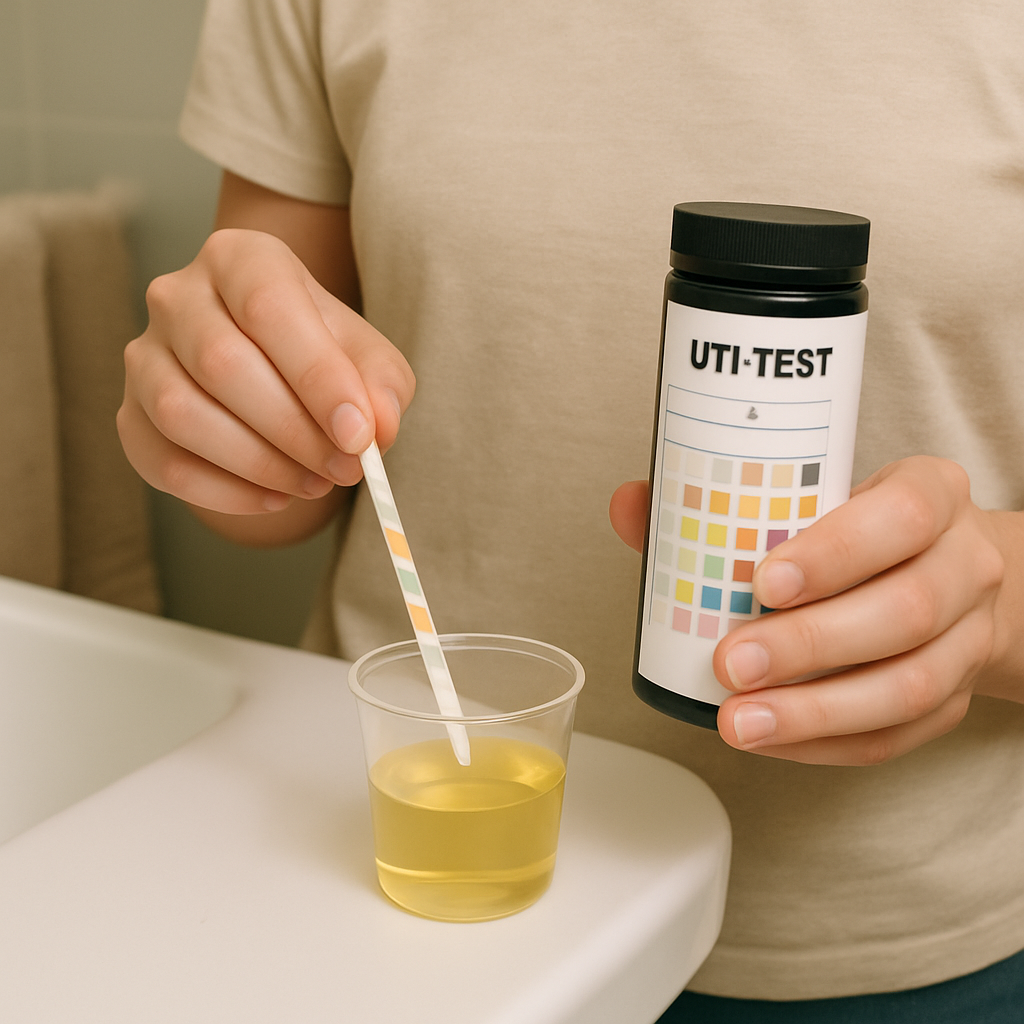
Image of a person using a UTI test strip at home

Understanding UTI Test Strips: What Are They and How Do They Work?

UTI test strips are small, thin pieces of material that detect urinary tract infections. They work by identifying specific substances in your urine.

These strips can detect nitrites, which bacteria produce. They also sense leukocyte esterase, an enzyme found in white blood cells.

These indicators suggest an infection may be present. The process is simple and quick, usually taking just a few minutes.

Using a UTI test strip involves dipping it into a urine sample. You then compare the color change to a chart provided with the kit.

Here’s how they work:

  • Nitrite detection: Bacteria convert nitrate in urine to nitrite.
  • Leukocyte reaction: White blood cells release leukocyte esterase.
  • Color change: Strips change color based on substance levels.

Understanding how these strips function can aid in early detection and peace of mind. They empower individuals to monitor their urinary health.

Diagram of UTI test strip components and how they work

When Should You Use UTI Test Strips?

UTI test strips can be a useful tool when symptoms suggest an infection. Common symptoms include a frequent urge to urinate or a burning feeling when doing so.

These strips are particularly helpful if you are prone to UTIs. They allow you to quickly check for any signs of infection from the comfort of your home.

Consider using UTI test strips if experiencing symptoms like:

  • Frequent urination urges
  • Pain or burning during urination
  • Cloudy or strong-smelling urine

Testing is also beneficial after completing treatment for a previous UTI. It can confirm whether the infection has cleared up completely.

In some cases, you might notice mild symptoms but aren’t sure whether to visit a doctor. UTI test strips can be a first step to determine if a medical consultation is necessary.

Choosing the Right UTI Test Kit for Home Use

Selecting the right UTI test kit for home use can seem daunting. Several factors can guide your choice. Look for kits that are easy to use and provide clear instructions.

Some kits come with additional tools, like urine cups or droppers, which can make sample collection easier. Opt for kits that include comprehensive instructions and provide immediate results. It is also wise to check the expiration date before purchasing to ensure the test strips will be effective.

Consider the following when choosing a UTI test kit:

  • Ease of use
  • Clarity of instructions
  • Additional tools included
  • Expiration date

Different brands may offer varying levels of sensitivity and accuracy. Reading reviews and checking trusted sources can help you pick a reliable product.

Various UTI test kits displayed with cups and instruction manualsby LOGAN WEAVER | @LGNWVR (https://unsplash.com/@lgnwvr)

Preparing for At-Home UTI Testing: What You Need to Know

Preparation is key to ensuring accurate results with your at-home UTI test. Start by choosing a clean, well-lit space. Ensure you have all necessary items at hand, such as the test kit, a watch or timer, and a clean container for the urine sample.

Read through the instructions thoroughly before beginning. Familiarize yourself with each step to minimize errors during the test. Make sure your hands are clean and dry before handling the strips to prevent contamination.

Here are essential preparation tips:

  • Choose a clean, well-lit area.
  • Gather all test materials in advance.
  • Read instructions carefully.
  • Clean and dry hands before use.

Pay attention to storage instructions. Proper storage of the test strips before use is essential for reliability. Store them in a cool, dry place away from direct sunlight. Following these steps can help you achieve the most reliable results.

Woman preparing a UTI test kit on a clean countertopby Emma Ou (https://unsplash.com/@emmaou)

Step-by-Step Guide: How to Use UTI Test Strips Effectively

Using UTI test strips at home is straightforward when you follow a step-by-step approach. Begin by reviewing the test kit instructions carefully. Each kit may have slightly different directions, so understanding these is essential.

First, collect a midstream urine sample. This means you should start urinating, pause, then collect urine in the container, and finish urinating. This method helps ensure a clean sample, free from contaminants.

Next, dip the strip into the collected urine sample. Immerse it briefly, making sure the test pads on the strip are fully submerged. Avoid leaving the strip in the urine for too long, as this could affect the results.

Remove the strip and hold it horizontally to avoid mixing chemicals on the test pads. Keep the strip level to prevent spills and maintain accuracy in the reading process.

Let the strip sit for the time specified in the instructions. Generally, this is around one to two minutes. The colors on the strip will change, indicating different components in the urine.

After the waiting period, compare the strip’s colors to the chart provided in the kit. Align the colors accurately with those on the chart for a correct interpretation.

If the result indicates a urinary tract infection, consider seeking medical advice. Even if the result is negative, monitor symptoms closely, as test strips can sometimes yield false results.

Here’s a simplified step-by-step checklist:

  • Read the instructions carefully.
  • Collect a midstream urine sample.
  • Dip the strip quickly in the urine.
  • Hold the strip horizontally.
  • Wait the specified time for color change.
  • Compare colors to the chart.

Close-up of a person dipping a UTI test strip into a urine sampleby Elen Sher (https://unsplash.com/@lenochka210292)
Color comparison chart from a UTI test kitby Annie Spratt (https://unsplash.com/@anniespratt)

How to Collect a Urine Sample Correctly

Proper urine sample collection is key for accurate UTI test results. Begin by preparing a clean container for the sample. Many kits provide a sterile cup, but if you use your own, ensure it is well-cleaned and dry.

Before collecting the sample, wash your hands thoroughly with soap and water. This step is crucial to avoid contamination of the sample. Additionally, cleansing the genital area with water before urination can further minimize impurities.

To collect a midstream sample, start urinating into the toilet. After a few seconds, move the container into the stream to collect your sample. This method helps eliminate initial contaminants and provides a more accurate test result.

Finally, secure the lid on the sample container immediately after collection. Ensure it is tightly sealed to prevent any spills or external contamination. This ensures the integrity of the sample until you perform the test.

Quick Tips for Collecting a Urine Sample

  • Prepare a clean container.
  • Wash hands thoroughly.
  • Cleanse the genital area.
  • Begin urinating, then collect midstream.
  • Secure the sample container tightly.

Person holding a sterile container for urine sample collectionby Provincial Archives of Alberta (https://unsplash.com/@archivesalberta)

Reading and Interpreting Your UTI Test Strip Results

Interpreting the results from your UTI test strip is a simple process. After dipping the strip into your urine sample, allow it to rest for the specified time, typically a few minutes.

As the strip reacts, it changes color based on the presence of certain substances. These substances include nitrites and leukocytes, which commonly indicate a UTI. Compare the strip’s color to the chart provided in your kit.

Accurate reading depends on matching the colors carefully. Variations can be subtle, so good lighting is essential. Ensure you refer to the color chart within the given time frame to avoid false readings.

Some kits might also include additional indicators for pH levels or other metrics. Be familiar with all aspects of your kit to comprehensively interpret your results. Consistent accuracy increases with experience and familiarity.

Key Steps for Interpreting UTI Test Strips

  • Dip the strip in urine.
  • Wait for the prescribed reaction time.
  • Compare with the color chart.
  • Assess any additional metrics provided.
  • Consult the chart promptly to ensure accuracy.

Color chart for interpreting UTI test strip resultsby Izumi (https://unsplash.com/@itsaizumi)

By understanding these steps, you can confidently check your urinary health at home.

What to Do If Your UTI Test Strip Is Positive or Negative

Receiving your UTI test strip results can guide your next steps. If your test strip returns a positive result, it likely suggests an infection. You should contact a healthcare provider for further evaluation and potential treatment. Timely medical advice can prevent complications.

If the result is negative, yet you experience symptoms, consider retesting a day or two later. False negatives can occur, especially if symptoms persist. It’s crucial to listen to your body and symptoms.

Regardless of the result, maintaining proper hydration and hygiene is beneficial. This can help prevent future urinary tract issues. Understanding the limitations of test strips is essential for effective health management.

Steps After UTI Test Strip Results

  • Positive result: Seek medical advice.
  • Negative result: Monitor symptoms; retest if necessary.
  • Any result: Stay hydrated and maintain good hygiene.

Consulting a healthcare professional ensures comprehensive care and proper management.

Common Mistakes to Avoid with UTI Test Strips

Using UTI test strips at home can be straightforward, yet common errors can occur. Avoiding these mistakes is essential for reliable results. Mishandling or improper use can lead to inaccurate outcomes.

One frequent mistake is not following the instructions closely. Skipping steps or improper timing can skew results. Always read and understand the instructions before beginning. This helps ensure correct results.

Another error is using expired test strips, which can compromise accuracy. Storing strips improperly, such as in a damp location, also affects their reliability. Always check the expiry date and store them as advised.

Avoid These Common Errors

  • Ignoring instructions
  • Using expired strips
  • Improper strip storage

Checking expiration date of UTI test stripsby Alin Gavriliuc (https://unsplash.com/@alingavriliuc)

Being mindful of these aspects can greatly enhance the effectiveness of at-home testing, giving you better control over your urinary health.

Limitations and Accuracy of At-Home UTI Test Strips

UTI test strips are a helpful tool for initial screening at home. However, like any test, they have limitations. Understanding these constraints is crucial for effective use.

Test strips can give false positives or negatives. Certain conditions, such as high vitamin C intake, might affect outcomes. Knowing these influencing factors is important for accurate results.

The accuracy of test strips also depends on correct usage. Following the instructions precisely is vital to ensure reliability. Inaccurate readings can occur if guidelines aren’t followed meticulously.

UTI test strips should not replace professional diagnosis. They are a preliminary step in identifying possible infections. Consulting a healthcare provider remains essential for persistent symptoms.

Key Limitations and Factors

  • Possible false results
  • Influence of external factors
  • Dependence on proper usage

Illustration of UTI test limitationsby razi pouri (https://unsplash.com/@razipourjafari)

These strips provide a convenient at-home option, but awareness of their limitations enriches their effectiveness.

Tips for Preventing UTIs and Maintaining Urinary Health

Maintaining urinary health is key to preventing infections. Simple lifestyle changes can help reduce the risk of UTIs. Consistent habits are essential in keeping infections at bay.

Drinking plenty of water is a fundamental preventive measure. Proper hydration helps flush out bacteria from the urinary tract. A balanced diet also supports overall urinary health.

Practicing good hygiene is vital. This includes wiping from front to back after using the toilet. Avoiding irritating products around the genital area is also recommended.

Key Tips for Prevention

  • Stay hydrated
  • Maintain hygiene
  • Eat a balanced diet

Illustration of urinary health tipsby Bernd 📷 Dittrich (https://unsplash.com/@hdbernd)

Following these tips can aid in reducing the incidence of urinary tract infections. Proactive management is integral to maintaining urinary wellness.

Frequently Asked Questions About UTI Test Strips

UTI test strips are convenient and easy to use. However, users often have questions about their application and reliability. Here, we address some common concerns regarding these test kits.

One frequent query is about the accuracy of at-home test strips. Users want to understand how reliable the results are compared to a doctor’s diagnosis. Understanding the limitations is vital for proper health management.

Another common question involves the correct storage and handling of these strips. Proper care ensures effectiveness and accuracy when testing.

Common Questions

  • How accurate are UTI test strips?
  • How should I store and handle them?
  • What do the results indicate?

These FAQs provide clarity for first-time users and those wanting to enhance their understanding.

When to Seek Medical Advice: Understanding the Next Steps

Using UTI test strips is helpful, but sometimes further medical advice is needed. If you have persistent symptoms, despite negative results, consult a healthcare professional. This step ensures no underlying conditions are overlooked, and you receive appropriate treatment.

In cases of positive test results, timely medical intervention is important. A healthcare provider can offer a definitive diagnosis and recommend treatment options. Look out for recurring UTIs or severe pain, as these warrant immediate attention.

When to Consult a Doctor

  • Symptoms persist despite negative results.
  • Positive UTI test strip results.
  • Severe or recurring urinary symptoms.

Conclusion: Taking Charge of Your Urinary Health at Home

Taking care of your urinary health is crucial. UTI test strips offer a convenient way to monitor symptoms from home. They can be a part of your proactive health routine. When used correctly, they provide quick insights, enabling you to make informed decisions regarding your health.

Remember, test strips are just a part of the solution. Professional healthcare guidance remains essential for complete care. Make regular check-ups a priority to maintain optimal urinary health. With the right tools and knowledge, managing your urinary health effectively is possible.

Need help? Why not book our UTI Test

Read article
Understanding Imodium: Relief from Diarrhoea


What Does Imodium Do?

Imodium, a well-known anti-diarrhoeal medication, is commonly used to manage sudden diarrhoea, helping individuals regain control and comfort in uncomfortable situations. The active ingredient, loperamide hydrochloride, works by slowing down bowel movements, allowing more water to be absorbed from the stools, resulting in firmer stools and less frequent bowel movements. This medicine is popular for treating symptoms of acute diarrhoea, including traveller’s diarrhoea. However, it’s essential to note that Imodium does not address the root cause of diarrhoea, such as infections or food intolerances. Therefore, it’s advised to seek medical attention if symptoms persist for more than 48 hours or if you experience symptoms like fever or bloody stools.

“Imodium provides effective relief from sudden diarrhoea, allowing you to regain control of your day.”

How Does Imodium Work?

Imodium’s primary function is to reduce bowel movements, giving the intestines more time to absorb water and electrolytes. Loperamide binds to opioid receptors in the gut wall, inhibiting the release of certain chemicals that increase gut motility. This results in slower transit of stool through the intestines, leading to firmer stools. The action of Imodium does not impact the brain or cause euphoric effects, making it safe for over-the-counter use. While Imodium effectively controls symptoms, it does not treat underlying conditions, so identifying and addressing the cause of diarrhoea is crucial.

“Imodium works by slowing bowel movements, providing relief without affecting the brain.”

How Long Does Imodium Take to Work?

Imodium typically begins to work within an hour after taking the recommended dose. Most users notice a reduction in the frequency of bowel movements and improved stool consistency shortly after use. However, the exact duration can vary depending on the severity of diarrhoea and individual factors. For acute diarrhoea, one dose may be enough to provide relief, but it’s safe to take additional doses if needed, following package instructions. Chronic diarrhoea may require longer-term management and professional advice.

“Most people experience relief from diarrhoea within an hour of taking Imodium.”

Who Should Avoid Imodium?

While Imodium is safe for most adults and children over 12 years old, certain individuals should avoid it. Those with specific medical conditions, such as inflammatory bowel disease, bloody or black stools, or bacterial diarrhoea, should not use Imodium. Pregnant and breastfeeding women should consult a doctor before using the medication. Overuse or misuse of Imodium can lead to serious complications, including constipation and toxic megacolon in rare cases. Always follow the dosage guidelines and seek medical advice if unsure.

“Imodium is not suitable for everyone; consult a doctor if in doubt.”

Can You Take Imodium for IBS?

Imodium can be beneficial for managing diarrhoea associated with irritable bowel syndrome (IBS). It helps reduce the urgency and frequency of bowel movements, improving quality of life for those with diarrhoea-predominant IBS. However, it’s essential to use Imodium under medical supervision if IBS symptoms are severe or frequent. A healthcare professional can recommend an appropriate treatment plan, including dietary and lifestyle changes.

“Imodium can help manage IBS-related diarrhoea, but consult a doctor for long-term treatment.”

Takeaway

Imodium offers effective and rapid relief from acute diarrhoea, allowing users to regain control of their lives. However, it’s essential to use it responsibly and understand when it’s appropriate to seek medical advice. For reliable advice and quality medications, visit ManchesterPharmacy.co.uk today.

“Imodium can be a powerful tool for diarrhoea relief when used correctly.”


Read article
Hajj & Umrah Vaccination at Manchester Pharmacy: Ensure a Safe Pilgrimage

If you’re planning to embark on the sacred journey of Hajj or Umrah, it’s crucial to ensure you’re properly vaccinated before travelling. At Manchester Pharmacy, we provide comprehensive vaccination services to help safeguard your health and meet the travel requirements for both Hajj and Umrah pilgrims.

Why are Hajj & Umrah Vaccinations Important?

Hajj and Umrah are both significant religious pilgrimages, drawing millions of people from around the world to Mecca. Due to the large crowds, pilgrims are at a higher risk of contracting infectious diseases. Certain vaccinations are required by the Saudi Arabian government to prevent the spread of illness and to ensure the safety and well-being of pilgrims.

To ensure you meet the necessary health requirements for Hajj or Umrah, vaccinations such as the Meningitis ACWY vaccine, Polio vaccine, and others may be required. These vaccines help protect you against diseases that could potentially affect you or other pilgrims during your journey.

What Vaccinations Do You Need for Hajj or Umrah?

The specific vaccinations required for Hajj and Umrah can vary depending on your age, medical history, and the country you’re travelling from. Some of the most common vaccines include:

  • Meningitis ACWY: A mandatory vaccine to protect against meningococcal meningitis, a potentially life-threatening disease that can spread rapidly in crowded environments.
  • Polio: A vaccine to protect against poliovirus, which is still a risk in some countries.
  • Influenza: The flu vaccine, which is recommended, especially during the winter months when flu season is at its peak.
  • Measles, Mumps, Rubella (MMR): If you have not already been vaccinated or have not had the diseases, the MMR vaccine is recommended.

It’s important to consult with a healthcare professional to ensure you have all the required vaccinations well in advance of your trip.

Why Choose Manchester Pharmacy for Your Hajj & Umrah Vaccinations?

At Manchester Pharmacy, we understand the importance of ensuring you’re fully prepared for your spiritual journey. Our experienced team offers a personalised vaccination service, guiding you through the necessary vaccinations for Hajj and Umrah. We’re dedicated to helping you stay healthy and safe throughout your pilgrimage.

Here’s why you should choose Manchester Pharmacy:

  1. Expert Advice: Our knowledgeable pharmacists will provide expert advice on the vaccinations you need and any other health considerations for your journey.
  2. Convenient Appointment Booking: Book your vaccination appointment online or by calling us directly. We offer flexible appointment times to fit your schedule.
  3. Competitive Pricing: We offer affordable prices for all our vaccination services, ensuring you receive high-quality care without breaking the bank.
  4. Quick & Efficient Service: We understand the importance of time when planning your pilgrimage. Our team will ensure you receive your vaccinations promptly, allowing you to focus on your preparations.

How to Book Your Hajj & Umrah Vaccination

Booking your vaccination at Manchester Pharmacy is simple. You can either:

  • Call us directly at 0161 274 4442 for expert advice and to book your appointment.
  • Book online through our website for a quick and convenient booking process.

Make sure to book your vaccination appointment well in advance of your trip, as some vaccines may require multiple doses or need to be administered weeks before travel.

Conclusion

Your health and safety are of the utmost importance when embarking on your Hajj or Umrah pilgrimage. By ensuring you’re up-to-date with all necessary vaccinations, you can focus on your spiritual journey with peace of mind. At Manchester Pharmacy, we are here to help you every step of the way.

Call us today at 0161 274 4442 or book online to get started with your Hajj & Umrah vaccinations. Let us help you stay healthy, so you can focus on your sacred pilgrimage.

Read article
Yellow Fever Vaccine at Manchester Pharmacy


Yellow fever vaccine is essential to safeguard your health and may be required for entry into certain countries. At Manchester Pharmacy, we provide this crucial service, ensuring a simple and stress-free process for travelers in Manchester and nearby areas.

Why Choose Manchester Pharmacy for the Yellow Fever Vaccine?

  • Convenient Location: Centrally located in Manchester, our pharmacy is easy to access for anyone in the area.
  • Professional Care: Our experienced healthcare team ensures you receive the vaccine safely and provides clear advice about staying protected.
  • Quick Online Booking: Book your appointment online at a time that suits you best—no need to wait or worry.

Do You Need the Yellow Fever Vaccine?

Yellow fever is a potentially life-threatening disease spread by mosquitoes, primarily in parts of Africa, South America, and the Caribbean. The yellow fever vaccine is not just an effective way to protect yourself—it’s often a legal requirement for entry into certain countries. Without proof of vaccination, known as the International Certificate of Vaccination or Prophylaxis (ICVP), you may be denied entry at the border.

Vaccination also plays a crucial role in stopping the spread of yellow fever. By getting vaccinated, you not only safeguard your health but also help protect others by reducing the chance of transmission. For full immunity, it’s essential to receive the vaccine at least 10 days before your trip. This period allows your body to build a strong defense against the virus, giving you the confidence to travel worry-free. Don’t wait until the last minute—make vaccination a priority as part of your travel preparation.


Book Your Vaccine with Ease

Manchester Pharmacy makes it simple to get your vaccine. With our online booking system, you can secure your appointment in just minutes. Our team will guide you through the process, so you’re fully prepared for your trip.

Stay Safe with Manchester Pharmacy

Protect your health and travel confidently with the yellow fever vaccine. Whether you’re in Manchester or nearby, we’re here to help. Book online today!


Read article
Pharmacy First Insect Bites


How the Pharmacy First Service Can Help with Insect Bites

When you experience an insect bite, symptoms can vary from mild itching and redness to more severe swelling or discomfort. Common bites that are treatable at the pharmacy include:

  • Flea Bites: Often appear as small red dots, usually on the lower legs and ankles, and can be extremely itchy.
  • Mosquito Bites: Often leave a raised, itchy bump and can be a nuisance, especially during summer evenings.
  • Spider Bites: Rare in the UK but can cause redness, swelling, and sometimes mild pain.

The Pharmacy First Service in Manchester is equipped to handle these types of bites. With access to pharmacists trained to offer targeted treatments, you can avoid waiting in a doctor’s office and still get effective solutions for relief.

Why Choose Pharmacy First for Insect Bites?

Using the Pharmacy First Service for insect bites offers several advantages:

  • Convenient Access: Many pharmacies across Manchester provide walk-in services, meaning you can get advice and treatment quickly and easily.
  • Free Consultations: The Pharmacy First Service offers consultations at no cost, so you can get professional advice without worrying about fees.
  • Immediate Relief: Pharmacists can provide over-the-counter antihistamines, creams, and soothing lotions that help reduce itching, swelling, and redness.
  • Expert Advice: Pharmacists can help identify the type of bite, recommend effective treatments, and advise if a GP visit is needed for more severe reactions.

What to Expect When You Visit a Pharmacy for an Insect Bite

When you visit a Manchester pharmacy for an insect bite, here’s what to expect:

  1. Consultation: The pharmacist will ask questions about the bite and symptoms. They’ll want to know when and where you got bitten, any allergic reactions you may have, and if you’ve tried any treatments already.
  2. Treatment Recommendations: Based on the severity of your bite, the pharmacist may suggest treatments like antihistamines for itching, antiseptic creams to prevent infection, or cooling lotions for relief.
  3. Aftercare Advice: Pharmacists can also provide advice on avoiding bites in the future, such as using insect repellent, wearing protective clothing, or keeping pets flea-free.

When to Seek Further Medical Advice

In rare cases, insect bites can cause allergic reactions or become infected. Seek medical advice if you notice:

  • Increasing Swelling and Redness: If the bite area becomes larger or feels warm and red, it may be a sign of infection.
  • Fever or Chills: These symptoms may indicate that the bite is infected or causing a systemic reaction.
  • Difficulty Breathing or Dizziness: These symptoms can be signs of a severe allergic reaction and should be treated as an emergency.

The Pharmacy First Service can help you identify when a GP visit or emergency care may be necessary.

Preventing Future Insect Bites

While treatment is essential, prevention can save you from dealing with bites in the first place. Here are some tips:

  • Use Insect Repellent: Apply an insect repellent, especially when spending time outdoors or in areas with known insect activity.
  • Wear Protective Clothing: Long sleeves, trousers, and socks can be effective in preventing bites, especially in grassy or wooded areas.
  • Keep Your Home Bug-Free: For flea prevention, keep pets treated with flea medication and clean their bedding regularly.

Find Relief Today with the Pharmacy First Service

Manchester’s Pharmacy First Service is here to help you manage minor health concerns like insect bites without the need for a GP appointment. Whether you’re dealing with flea bites, mosquito bites, or even a spider bite, visiting your local pharmacy can be a quick and efficient way to find relief. Enjoy peace of mind knowing you can count on expert advice and effective treatments right here in Manchester.

Remember: Your local pharmacist is trained to help you with these minor ailments, so don’t hesitate to stop by and ask for advice.

Book your Pharmacy First insect bites consultation now!

Read article
Mounjaro Weight Loss in Manchester by Manchester Pharmacy

Are you struggling with weight loss and looking for an effective solution in Manchester? Mounjaro might be the answer you’ve been searching for. At Manchester Pharmacy, we understand how challenging weight management can be, especially when traditional methods like dieting and exercise don’t seem to be enough. In this post, we’ll explore how Mounjaro can help you achieve your weight loss goals and improve your overall health.

What is Mounjaro?

Mounjaro (Tirzepatide) is a medication that has been gaining attention for its impressive results in weight loss. Originally developed for managing type 2 diabetes, it has shown great promise in helping people shed excess weight, even if they don’t have diabetes.

Mounjaro works by mimicking hormones in the body that regulate blood sugar and appetite. It enhances insulin sensitivity and helps control cravings by making you feel fuller for longer. As a result, it’s easier to stick to a calorie-controlled diet, leading to sustained weight loss.

The Benefits of Mounjaro for Weight Loss

Here’s how Mounjaro can benefit those looking to lose weight in Manchester:

1. Effective Weight Loss

One of the key advantages of Mounjaro is its ability to promote significant weight loss. Clinical trials have shown that patients can lose up to 20% of their body weight when using this medication. This can make a real difference in your health, energy levels, and confidence.

2. Appetite Control

A major challenge for many people trying to lose weight is controlling their appetite. Mounjaro helps reduce hunger by regulating hormones that signal fullness to the brain. This makes it easier to stick to smaller portions without feeling deprived or constantly hungry.

3. Supports Long-Term Weight Management

Weight loss isn’t just about shedding pounds; it’s also about keeping them off. Mounjaro not only helps you lose weight but also supports long-term weight management by improving your body’s natural metabolic processes.

4. Improved Metabolic Health

Alongside weight loss, Mounjaro can help improve overall metabolic health. This includes better blood sugar control, reduced insulin resistance, and lower cholesterol levels, which all contribute to a healthier lifestyle and can prevent conditions like heart disease and type 2 diabetes.

5. Personalised Weight Loss Support

At Manchester Pharmacy, we provide tailored advice and support to help you on your weight loss journey with Mounjaro. We’ll work with you to create a treatment plan that fits your individual needs, ensuring you achieve the best possible results in a safe and controlled manner.

How to Access Mounjaro in Manchester

If you’re interested in Mounjaro for weight loss and live in Manchester, getting started is simple. Manchester Pharmacy offers professional guidance on how this medication can work for you. Here’s how you can begin:

  1. Consultation: Speak with our qualified pharmacists or book a consultation with your GP to determine if Mounjaro is suitable for you. Your current health and weight loss goals will be taken into account to ensure this is the right treatment for you.
  2. Prescription: If deemed appropriate, Mounjaro will be prescribed, and we’ll guide you on how to use it effectively for weight loss.
  3. Follow-up and Support: Regular follow-up appointments will ensure your progress is monitored, and adjustments can be made to your plan if needed. Our team is here to provide ongoing support and advice every step of the way.

Why Choose Manchester Pharmacy?

At Manchester Pharmacy, we pride ourselves on providing expert, compassionate care to all our patients. If you’re looking for a reliable and experienced pharmacy in Manchester to assist you with Mounjaro weight loss, here’s why you should choose us:

  • Local Expertise: As a trusted local pharmacy, we understand the needs of our Manchester community and are here to support your health and well-being.
  • Qualified Professionals: Our team includes highly trained pharmacists who are knowledgeable about Mounjaro and weight management treatments.
  • Personalised Care: We take the time to understand your individual needs and offer personalised advice and support.

Take the Next Step

If you’re ready to take control of your weight and explore how Mounjaro can help, Manchester Pharmacy is here for you. With expert guidance, ongoing support, and a personalised approach, we can help you achieve sustainable weight loss and a healthier, happier lifestyle.

Contact us today to learn more about Mounjaro weight loss in Manchester or to book your consultation with our team.

Read article
Convenient Healthcare with NHS Pharmacy First in Manchester

Welcome to Manchester Pharmacy, your trusted destination for convenient healthcare services in Manchester. If you’re looking for quick and accessible healthcare solutions, look no further than NHS Pharmacy First. In this blog post, we’ll explore how NHS Pharmacy First can benefit you and why you should consider using it for your healthcare needs.

What is NHS Pharmacy First?

NHS Pharmacy First is a service provided by pharmacies across England, including Manchester Pharmacy. It allows you to access advice and treatment for common minor illnesses and conditions without the need for a doctor’s appointment. From coughs and colds to skin conditions and urinary tract infections, NHS Pharmacy First pharmacists are trained to provide expert advice and treatment for a wide range of ailments.

Why Choose NHS Pharmacy First?

There are several reasons why NHS Pharmacy First is the ideal choice for your healthcare needs:

  1. Convenience: With NHS Pharmacy First, you can get the advice and treatment you need without having to wait for a doctor’s appointment. Simply visit your local pharmacy, such as Manchester Pharmacy, and speak to a trained pharmacist.
  2. Quick Access to Medication: If your pharmacist determines that you need medication for your condition, they can supply it to you on the spot, saving you the hassle of having to visit your GP and then wait for a prescription to be filled.
  3. Expert Advice: Pharmacists are highly trained healthcare professionals who can provide expert advice on a wide range of health issues. Whether you’re unsure about symptoms or need guidance on how to take your medication, your pharmacist is there to help.
  4. Free Service: NHS Pharmacy First is a free service, meaning you can access healthcare advice and treatment without having to worry about additional costs.

How to Use NHS Pharmacy First at Manchester Pharmacy:

Using NHS Pharmacy First at Manchester Pharmacy is easy. Simply follow these steps:

  1. Visit our website and locate the NHS Pharmacy First page: HERE
  2. Our online system will ask you several questions.
  3. Go ahead and answer all questions correctly.
  4. Our online Pharmacy first system will decide which way to direct you to based on your answers.
  5. If necessary, your pharmacist will supply medication to help alleviate your symptoms.

Don’t let minor ailments and conditions disrupt your daily life. With NHS Pharmacy First at Manchester Pharmacy, you can access quick and convenient healthcare services without the need for a doctor’s appointment. Take advantage of this free service today and experience the benefits of expert advice and treatment from your local pharmacy.

Visit our NHS Pharmacy First page now to learn more and book your appointment.

Read article
Essential Over-the-Counter Medications: A Must-Have for Every Household

In every household, having a well-stocked medicine cabinet is crucial for managing common ailments and minor health issues. Over-the-counter (OTC) medications play a vital role in this regard, offering quick relief for various symptoms without the need for a prescription. In this article, we’ll explore 10 essential OTC medications that every household should have on hand for those inevitable moments when you need quick relief.

  1. Paracetamol: Paracetamol, also known as acetaminophen, is a versatile pain reliever and fever reducer. It’s effective for headaches, muscle aches, toothaches, and fevers. Having a box of paracetamol tablets or syrup in your medicine cabinet is a must for managing everyday discomfort.
  2. Ibuprofen: Ibuprofen is another staple OTC medication renowned for its anti-inflammatory properties. It’s excellent for relieving pain associated with inflammation, such as arthritis, menstrual cramps, and minor injuries. Keep a bottle of ibuprofen tablets or capsules handy for when inflammation strikes.
  3. Antihistamines: Antihistamines are essential for allergy relief and managing symptoms like sneezing, itching, and watery eyes caused by allergies or hay fever. Non-drowsy formulas are available for daytime use, while those with sedating effects can aid in a good night’s sleep during allergy season.
  4. Antacids: Indigestion and heartburn are common complaints that can be alleviated with antacids. These OTC medications neutralize stomach acid, providing rapid relief from discomfort associated with acid reflux and gastritis. Look for chewable tablets or liquid formulations for quick action.
  5. Oral Rehydration Solution (ORS): ORS is vital for replenishing electrolytes lost during bouts of diarrhoea or vomiting, especially in cases of gastroenteritis or food poisoning. These solutions help prevent dehydration by restoring electrolyte balance and maintaining hydration levels.
  6. Decongestants: For nasal congestion due to colds, allergies, or sinusitis, decongestants can provide relief by reducing swelling in nasal passages. They come in various forms, including nasal sprays, tablets, and syrups, offering options for different preferences and ages.
  7. Cough Suppressants: Persistent coughing can be annoying and disruptive, especially at night. Cough suppressants containing dextromethorphan or codeine can help alleviate coughing fits, allowing for a more restful sleep and faster recovery from respiratory infections.
  8. Antiseptic Cream or Ointment: Minor cuts, scrapes, and burns are inevitable, so it’s wise to have an antiseptic cream or ointment on hand to prevent infection and promote healing. Apply it to clean wounds to keep them protected while they heal.
  9. Hydrocortisone Cream: For itchy insect bites, rashes, or mild eczema flare-ups, hydrocortisone cream can provide relief by reducing inflammation and itching. Keep a tube of hydrocortisone cream in your medicine cabinet for soothing irritated skin.
  10. Motion Sickness Medication: Whether you’re prone to motion sickness during travel or experiencing nausea due to vertigo or gastrointestinal issues, having motion sickness medication like dimenhydrinate or meclizine can make journeys more comfortable and help manage symptoms effectively.

Stocking your medicine cabinet with these essential over-the-counter medications ensures you’re prepared to handle common health issues promptly and effectively. However, it’s essential to use these medications as directed and consult a healthcare professional if symptoms persist or worsen. With these OTC remedies on hand, you can take control of your health and well-being, ensuring peace of mind for you and your family.

Read article
Proper Aftercare for Ear Piercing: A Guide to Healthy Healing

Ear piercing is a popular form of self-expression and adornment, but it’s important to remember that proper aftercare is crucial for a safe and healthy healing process. Whether you’ve just had your ears pierced or you’re considering it in the near future, this article will provide you with essential tips for aftercare in British English.

  1. Cleanliness is Key

After getting your ears pierced, maintaining proper hygiene is paramount. Always wash your hands thoroughly with soap and warm water before touching your newly pierced ears. Avoid unnecessary touching, and never twist or rotate the earrings.

  1. Use a Saline Solution

Cleaning your ear piercings with a saline solution is one of the most effective methods for preventing infection. To make a saline solution, dissolve 1/4 teaspoon of non-iodized sea salt in 8 ounces of warm distilled or previously boiled water. Gently soak a cotton ball or swab in the solution, and carefully clean both sides of the piercing, moving the earring slightly to ensure the solution reaches the piercing hole. Do this twice a day for the first few weeks.

  1. Avoid Harsh Cleaning Products

Steer clear of alcohol, hydrogen peroxide, and other harsh chemicals as they can irritate the piercing and slow down the healing process.

  1. Pat, Don’t Rub

After cleaning, gently pat the area around the piercing dry with a clean, disposable paper towel or gauze. Avoid using cloth towels, as they can harbor bacteria.

  1. Leave Earrings In

It’s essential to keep your earrings in place during the initial healing period, which typically lasts for six to eight weeks for earlobe piercings and longer for cartilage piercings. Removing the earrings prematurely can lead to the holes closing or infection.

  1. Be Mindful of Your Hair and Clothing

Avoid getting your hair or clothing caught in your earrings, as this can cause irritation and complications. Keep long hair tied back and wear loose-fitting clothing to reduce the risk of snagging.

  1. Don’t Swim in Pools or Hot Tubs

Stay away from swimming in pools, hot tubs, or any body of water for at least the first few weeks. These environments can introduce harmful bacteria into the piercing.

  1. Sleep Carefully

While sleeping, be cautious about the position of your ears. Try to sleep on your back or use a travel pillow to avoid putting pressure on your newly pierced ears.

  1. Be Patient

Remember that healing time can vary from person to person. It’s normal to experience some swelling, redness, and discharge during the initial weeks, but if you notice signs of infection like pus, excessive pain, or fever, consult a healthcare professional.

  1. Avoid Heavy Earrings

Once your ears have fully healed, be cautious when wearing heavy earrings, as they can stretch and damage the piercing holes over time. Gradually increase the weight of your earrings if you wish to wear heavier designs.

Conclusion

Proper aftercare is essential for the successful healing of your ear piercings. By following these guidelines, you can reduce the risk of infection and complications and enjoy your new ear accessories safely and comfortably. Remember that if you ever have concerns about your ear piercings, it’s best to consult a professional piercer or a healthcare provider for guidance and advice.

Read article
Strengthening Your Immune System

A robust immune system is your body’s natural defense against illnesses and infections. As we navigate our way through various challenges to our health, it’s essential to focus on boosting and maintaining our immune system. In this article, we’ll explore actionable strategies to enhance your immune system’s function and keep you feeling your best.

1. Nutrient-Rich Diet: A balanced and nutrient-rich diet forms the foundation of a strong immune system. Incorporate a variety of fruits, vegetables, whole grains, lean proteins, and healthy fats into your meals. These foods provide essential vitamins, minerals, and antioxidants that support immune function.

2. Hydration Matters: Staying hydrated is crucial for overall health, including immune system function. Drink plenty of water throughout the day to ensure your body can effectively transport nutrients, eliminate waste, and maintain optimal bodily functions.

3. Prioritize Sleep: Quality sleep is a powerful immune booster. Aim for 7-9 hours of uninterrupted sleep each night. During sleep, your body repairs and regenerates, and your immune system releases cytokines—proteins that help fight infections.

4. Regular Exercise: Engaging in regular physical activity can have a positive impact on your immune system. Exercise promotes better circulation, which allows immune cells to move more freely throughout your body. Aim for at least 150 minutes of moderate exercise per week.

5. Manage Stress: Chronic stress can weaken your immune system over time. Practice stress-reduction techniques such as deep breathing, meditation, yoga, or spending time in nature. These practices can help lower stress hormones and support immune health.

6. Adequate Vitamin D: Vitamin D plays a vital role in immune system function. Spend time outdoors to naturally absorb sunlight or consider dietary sources such as fatty fish, fortified dairy products, and supplements if recommended by a healthcare professional.

7. Limit Sugar and Processed Foods: Excessive sugar and processed foods can have a negative impact on immune function. These foods may contribute to inflammation and weaken the immune response. Opt for whole, unprocessed foods whenever possible.

8. Stay Socially Connected: Maintaining social connections and engaging in positive relationships can have a positive effect on immune health. Social interaction reduces feelings of loneliness and boosts overall mental and emotional well-being.

9. Stay Up-to-Date with Vaccinations: Vaccinations play a critical role in preventing certain diseases and infections. Stay informed about recommended vaccinations to ensure your immune system is prepared to fend off potential threats.

A resilient immune system is a cornerstone of good health. By adopting a lifestyle that includes a nutritious diet, regular exercise, ample sleep, stress management, and other immune-boosting practices, you can empower your body to better defend itself against illnesses. Remember that small, consistent changes can make a significant difference in your immune system’s ability to keep you healthy and thriving.

Read article
STAY INFORMED

Health tips,
straight to your inbox.

Seasonal advice, new services and offers from your local pharmacy team. No spam, unsubscribe any time.

    [cf7-simple-turnstile]